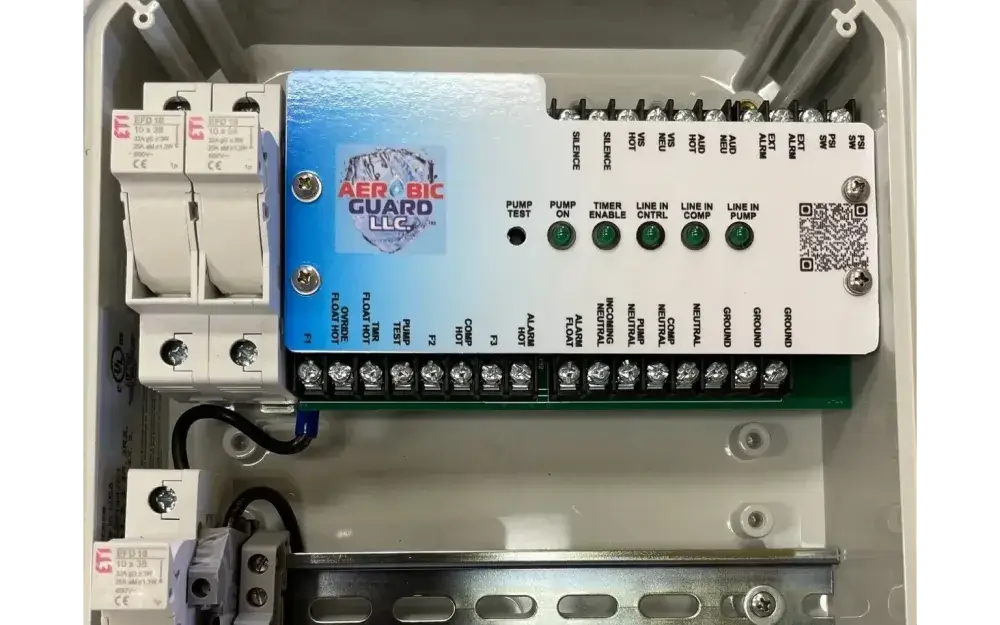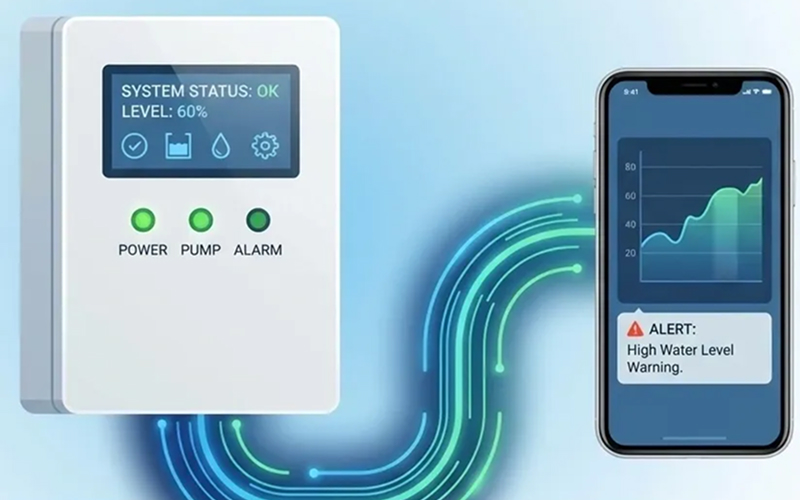
Aerobic Septic Control Panel Vs Smart Monitoring: Which Is Better For Your Installation Business? As an installation professional, you’re constantly balancing customer expectations, operational efficiency, and profitability. When it comes to aerobic septic systems, the choice between traditional control panels and smart monitoring technology can significantly impact all three. But here’s the thing: this isn’t really an either-or decision.Let’s break down what each technology offers your business and why the smartest installers are thinking beyond the traditional approach.Understanding the FundamentalsTraditional aerobic septic control panels are the operational backbone of any aerobic treatment system. They manage aeration cycles, control dosing schedules, and monitor critical functions like high water levels and pump failures. These panels provide essential audible and visual alarms when something goes wrong, plus manual overrides for testing and emergency situations.Smart monitoring systems take a completely different approach. Instead of just controlling operations, they’re constantly analyzing system performance in real-time. They track power draw, air pressure, pump cycling frequency, water levels, and even door status: then use this data to predict problems before they become emergencies. What This Means for Your Installation BusinessCustomer Satisfaction and RetentionTraditional control panels keep systems running and alert homeowners when problems occur. But by then, you’re already in reactive mode: dealing with backups, emergency calls, and frustrated customers.Smart monitoring transforms you into a proactive service provider. When a pump starts drawing slightly more power than normal, you know about it before the homeowner does. You can schedule maintenance during regular business hours instead of rushing out for weekend emergencies.This shift changes everything about your customer relationships. Instead of being the person who shows up when things go wrong, you become the professional who prevents problems from happening in the first place.Operational Efficiency GainsHere’s where the business case gets really compelling. Smart monitoring systems deliver diagnostic data directly to your phone or dashboard. When you do need to make a service call, you arrive knowing exactly what’s wrong and what parts you’ll need.Compare that to traditional troubleshooting: drive to the site, inspect the system, possibly make multiple trips for parts, and hope you’ve identified the root cause correctly. Smart monitoring eliminates most of that guesswork and dramatically reduces your truck rolls.Some installation businesses report reducing service visits by 40-60% after implementing smart monitoring for their customer base. That’s time you can spend on profitable installation work instead of reactive service calls.The Technology ComparisonTraditional Control Panels: Proven and EssentialEvery aerobic system needs a control panel: there’s no getting around that. Modern panels like the BIO-A, BIO-B, and BIO-C series provide:
- Automated aeration timing with multiple cycle options
- Pump control circuits with built-in protection
- High water level detection with immediate alarms
- Power failure notifications to prevent system damage
- Manual override capabilities for testing and maintenance
- Visual and audible alerts for homeowner awareness
These features handle the core operational requirements reliably and cost-effectively. For basic installations where customers prioritize upfront costs over ongoing service, traditional panels remain a solid choice. Smart Monitoring: Advanced IntelligenceSmart monitoring systems layer sophisticated analytics on top of basic control functions. They continuously track:
- System power consumption patterns to identify efficiency changes
- Air pressure fluctuations indicating blower or line problems
- Pump cycling frequency revealing potential blockages or wear
- Water level trends showing seasonal or usage changes
- Environmental factors like temperature and humidity
- Security monitoring for unauthorized access or tampering
This data gets processed through machine learning algorithms that recognize normal operation patterns and flag deviations before they become failures.The Business Model ImpactPricing and Profit MarginsTraditional control panels typically add $500-1,200 to your installation cost, depending on complexity. Smart monitoring systems usually add $800-2,000 initially, but they create ongoing value streams through:
- Premium installation pricing for advanced technology
- Proactive maintenance contracts with higher margins
- Reduced warranty claims from prevented failures
- Faster service resolution with better diagnostic data
- Customer referrals from superior service experience
Market DifferentiationIn competitive markets, smart monitoring becomes a powerful differentiator. You can offer customers something most installers can’t: predictive maintenance and 24/7 system intelligence.This positions you as a technology leader rather than just another contractor. It also helps justify premium pricing when customers understand the long-term value of preventing expensive emergencies. ROI ConsiderationsFor Your BusinessSmart monitoring systems typically pay for themselves within 2-3 years through:
- Reduced emergency service calls (especially weekend/holiday rates)
- More efficient maintenance scheduling based on actual system needs
- Fewer warranty claims from early problem detection
- Higher customer retention through superior service
- Ability to serve more customers with the same technician resources
For Your CustomersHomeowners see ROI through:
- Prevented system failures that could cost $3,000-8,000 to repair
- Optimized pumping schedules based on actual usage patterns
- Lower energy costs from system efficiency monitoring
- Peace of mind from 24/7 professional oversight
- Reduced property damage risk from early leak detection
Implementation StrategyThe Hybrid ApproachMost successful installers aren’t choosing between control panels and smart monitoring: they’re offering both as tiered service levels:Basic Package: Traditional control panel with standard installation and reactive maintenance
Premium Package: Smart monitoring integration with proactive maintenance contracts
Commercial Package: Advanced monitoring with detailed reporting and predictive analyticsThis approach lets you serve price-sensitive customers while capturing higher margins from those who value advanced protection.Getting StartedIf you’re new to smart monitoring, start with a few key customers who value technology and reliability. Commercial properties, vacation homes, and tech-savvy homeowners make ideal early adopters.Document the benefits carefully: reduced service calls, prevented failures, customer satisfaction scores. This data becomes powerful sales material for expanding your smart monitoring offerings. The Bottom LineTraditional aerobic septic control panels will always be necessary for basic system operation. They provide essential control and alarm functions that every aerobic system requires.Smart monitoring takes your business to the next level by transforming reactive service into proactive management. It creates competitive advantages, improves profit margins, and dramatically enhances customer satisfaction.The question isn’t really whether control panels or smart monitoring is “better”: it’s whether you want to offer basic functionality or position yourself as a premium service provider in your market.For installation businesses serious about growth and differentiation, smart monitoring integration isn’t just an option anymore. It’s becoming the standard that customers expect from professional installers who understand the value of prevention over reaction.The choice is yours: keep fixing problems after they happen, or start preventing them before they occur. Your customers: and your bottom line( will notice the difference.)
Connect with us and learn more about our Remote Monitoring options.