A Smarter Approach to Personal Wastewater Management
Introduction
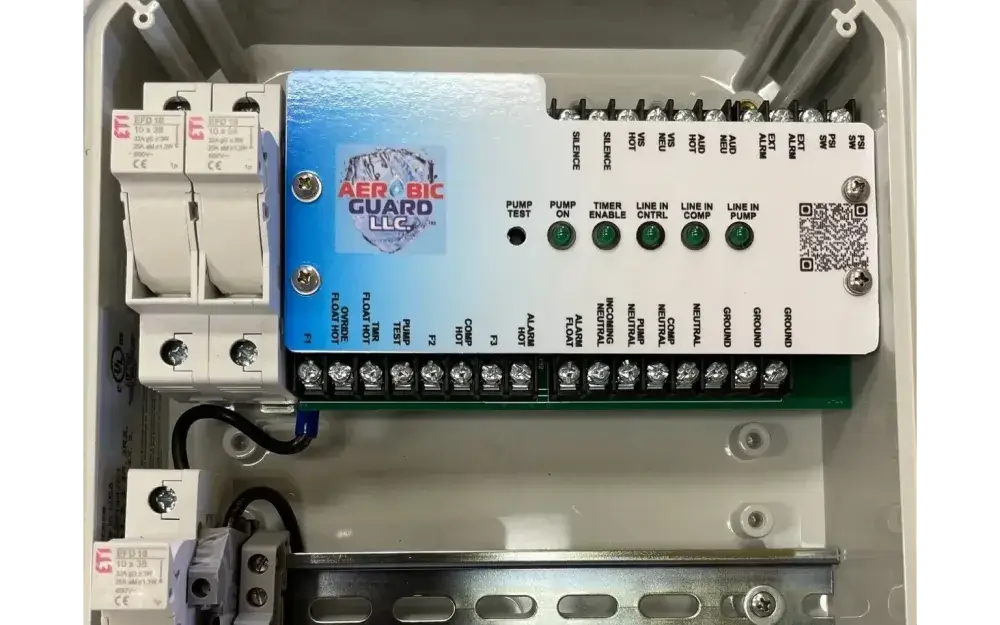
Aerobic septic systems provide efficient wastewater treatment, yet homeowners often have little visibility into how their system is functioning underground. Without real-time monitoring, small problems can escalate into expensive failures, leading to environmental hazards and costly repairs. Remote monitoring technology gives homeowners and service providers critical insights into system performance, allowing for early detection of issues before they become disasters.
The Hidden Challenges of Traditional Monitoring
Septic systems operate out of sight, making it difficult for homeowners to detect problems until they cause noticeable symptoms like backups or odors. Key challenges include:
- Undetected Equipment Failures – Aeration pumps, control panels, and diffusers may fail without immediate warning.
- Blockages & Overflows – Sludge accumulation or excessive wastewater flow can lead to system overload.
- Lack of Proactive Maintenance – Without monitoring, maintenance is often reactive rather than preventative.
- Environmental Risks – Undetected system failures may result in contamination, violating health regulations.
How Remote Monitoring Addresses These Challenges
Using smart sensors and wireless data transmission, remote monitoring offers continuous tracking of system performance, providing homeowners and service providers with real-time alerts when issues arise. Some key monitoring parameters include:
- Aeration Pump Status – Ensures oxygen levels remain optimal for bacterial breakdown.
- Effluent Quality & Flow Rates – Monitors chemical balance and flow efficiency.
- Alarm Notifications – Alerts for water levels, pump failure, or critical maintenance needs.
- Energy Consumption & System Efficiency – Detects unusual energy usage that may signal problems.
The Benefits of Remote Monitoring
- Preventative Maintenance – Allows for early detection and fixes before major failures occur.
- Improved System Longevity – Reduces wear on components, lowering replacement costs.
- Cost Savings – Prevents emergency service calls and expensive repairs.
- Environmental Protection – Ensures proper treatment to prevent contamination.
- Convenience & Peace of Mind – Homeowners can check their system’s health via a smartphone or dashboard.
Case Study: The Impact of Remote Monitoring
A study conducted in Texas monitored 100 aerobic septic systems over 12 months. The findings revealed:
- 85% of failures related to pump issues were caught early with remote monitoring.
- Systems without monitoring experienced 40% higher repair costs due to delayed response.
- Homeowners using remote monitoring reported greater confidence in their system’s reliability.
Conclusion
Remote monitoring transforms septic system management from reactive to proactive, ensuring efficiency, longevity, and environmental compliance. By implementing smart technology, homeowners gain control over their wastewater treatment, reducing risks and costs while maintaining a healthier home environment.